About Mohamed Paruk.

Psychiatrist MBCHB | FCPSYCH

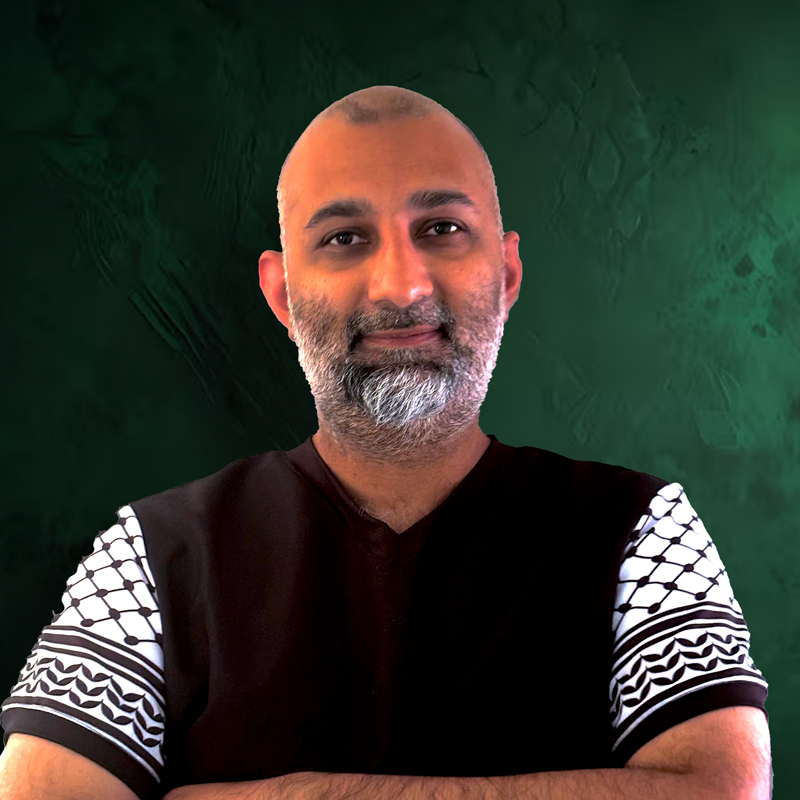
Dr Paruk is a psychiatrist based at Ribumed in Ballito, specialising in comprehensive assessments for patients aged 6 years and older.

His areas of interest include common mental health conditions such as depressive disorders, PTSD and ADHD. Dr Paruk adopts a bio-psychosocial approach to treatment, addressing the biological, psychological and social factors impacting mental health.

Dr Paruk provides both outpatient services and inpatient admissions at Ribumed Behavioural Centre.

"Psychiatrists are qualified to assess both the mental and physical aspects of psychological problems."
Book Now

Conditions treated

"Being able to be your true self is one of the strongest components of good mental health."

ADHD and ASD

Depressive disorders

Bipolar Disorder

Anxiety Disorder

Obsessive and Compulsive Disorders

Trauma and Related Disorders

Schizophrenia and other Psychotic Disorders

Neurocognitive Disorders

PTSD

"A World of Support, A World of Hope."

Fees:

Dr Paruk is contracted with most major medical aid schemes, including GEMS as a network partner and Momentum as a specialist network provider. Accounts can be submitted directly to your medical aid from our practice. Private fees are charges based on Healthman Psychiatry Costing Guidelines: please contact us for details on private rates.

Please note you are responsible for your account if your medical aid rejects the claim. Missed appointments or cancellations within 24 hours of the scheduled time will incur the full consultation fee. This cancellation fee will be charged directly to you, not your medical aid, as the slot was reserved for you and could not be offered to another patient.

Mental Health:

Mental health is a state of mental well-being that enables people to cope with the stresses of life, realise their abilities, learn well and work well, and contribute to their community. It is an integral component of health and well-being that underpins our individual and collective abilities to make decisions, build relationships and shape the world we live in.

Mental health is a basic human right. And it is crucial to personal, community and socio-economic development.

Source | WHO

Major Depressive Disorder:

Major Depressive Disorder is a condition that affects a person’s mood, making them feel very sad, empty, or hopeless for weeks or longer. It’s not just feeling ‘down’ for a day or two - it’s much more serious and can make it hard to enjoy life or do everyday things.

Some common signs include:
  • Feeling sad or down most of the time.
  • Losing interest in things they used to enjoy.
  • Feeling tired all the time or having trouble sleeping.
  • Changes in appetite, eating much more or much less.
  • Trouble concentrating or making decisions.
  • Feeling worthless or guilty.
  • Sometimes, thoughts of self-harm or suicide.
    • Should you feel suicidal please contact the suicide hotline 080 056 7567 or go to your nearest hospital.

      Source | APA-DSM-V

Neurocognitive Disorders:

A Neurocognitive Disorder is a condition that affects the way the brain works. Depending on the specific condition, people might:

  • Find it challenging to focus or make sense of conversations or tasks.
  • Struggle with organising their thoughts or solving problems.
  • Forget things more often or have a harder time remembering new information (memory problems).
  • Have changes in personality or mood.

Source | APA-DSM-V

ADHD:

Attention-deficit/hyperactivity disorder (ADHD) is one of the most common mental disorders affecting children. Symptoms of ADHD include inattention (not being able to keep focus), hyperactivity (excess movement that is not fitting to the setting) and impulsivity (hasty acts that occur in the moment without thought).

Source | psychiatry.org

PTSD:

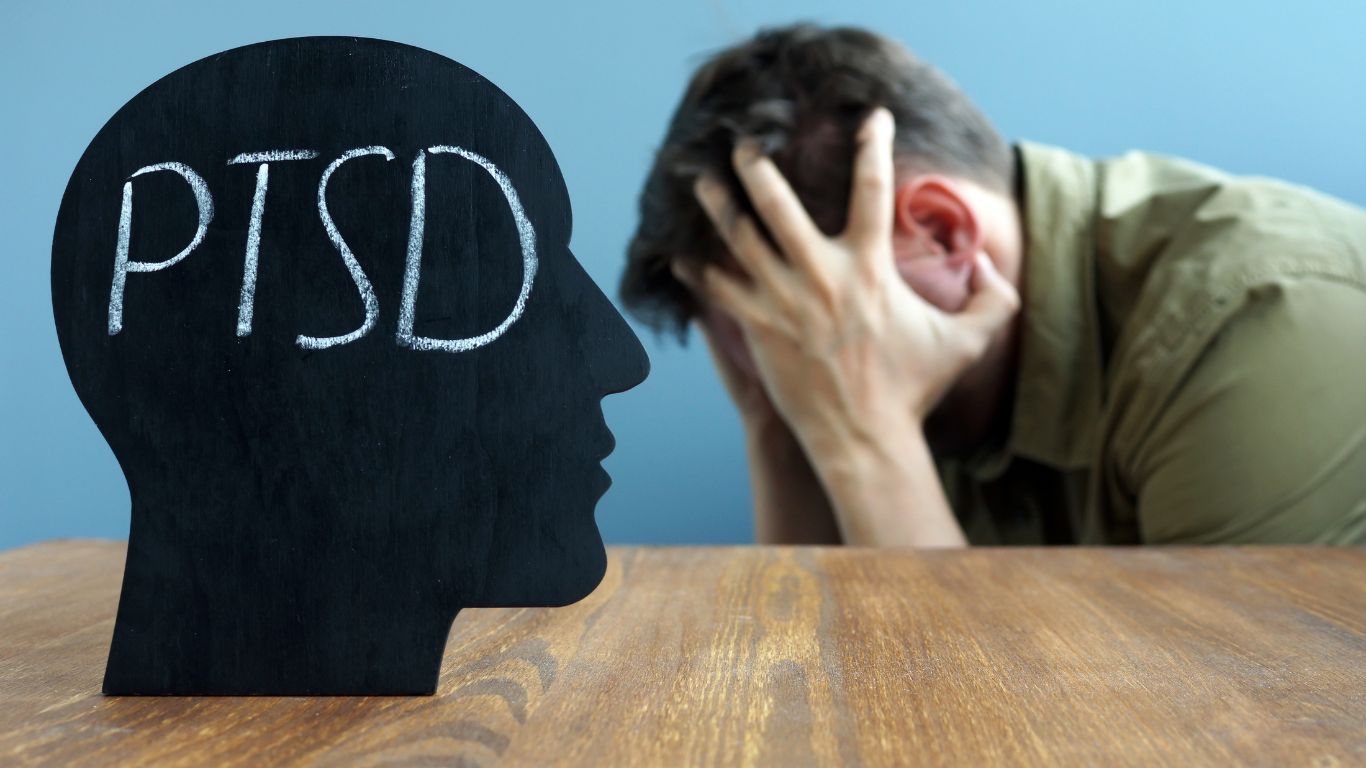
PTSD is a mental health condition that can happen after someone experiences or witnesses a very scary, dangerous or upsetting event. It’s like the brain keeps replaying the trauma, even when the person is no longer in danger.

People with PTSD might:
  • Relive the event through flashbacks, bad dreams or upsetting memories.
  • Avoid reminders of trauma, like certain places, people or activities.
  • Feel on edge all the time, being jumpy, irritable or unable to relax.
  • Have negative thoughts or feelings, like guilt, sadness or thinking the world is unsafe.

Source | APA-DSM-V

A useful resource website for depression and anxiety is the South African Depression and Anxiety Group TOLLFREE Helpline 0800 567 567
https://www.sadag.org/
CALL SADAG NOW

Contact Us

Your message has been sent. Thank you!
Ribumed Hospital, 1 Simbithi Dr, Ballito, Kwa-Zulu Natal +27 63 906 2877